Research complex topics with clarity.
ArthaVedya helps you understand papers, learn methods, explore technical ideas, and turn research into practical engineering insight.
Evidence-led explanations • Practical workflows • Original synthesis

Recent Articles
-
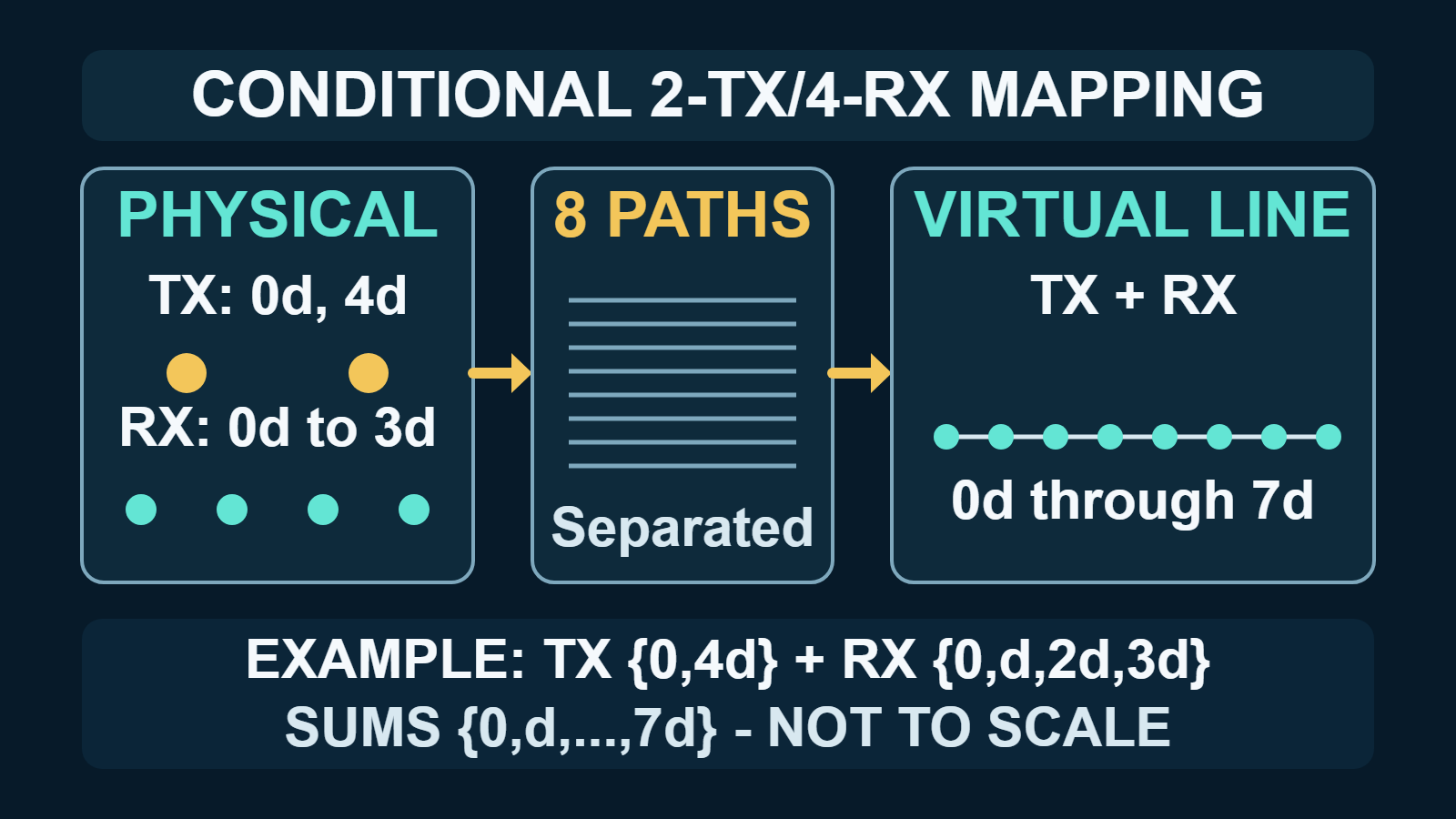
How MIMO Radar Builds a Virtual Array: Geometry, Math, and TDM Traps
See how separable transmitter echoes and receiver channels create virtual spatial samples, then audit a 2-TX/4-RX array, distinguish pair count from useful aperture, and diagnose…
-
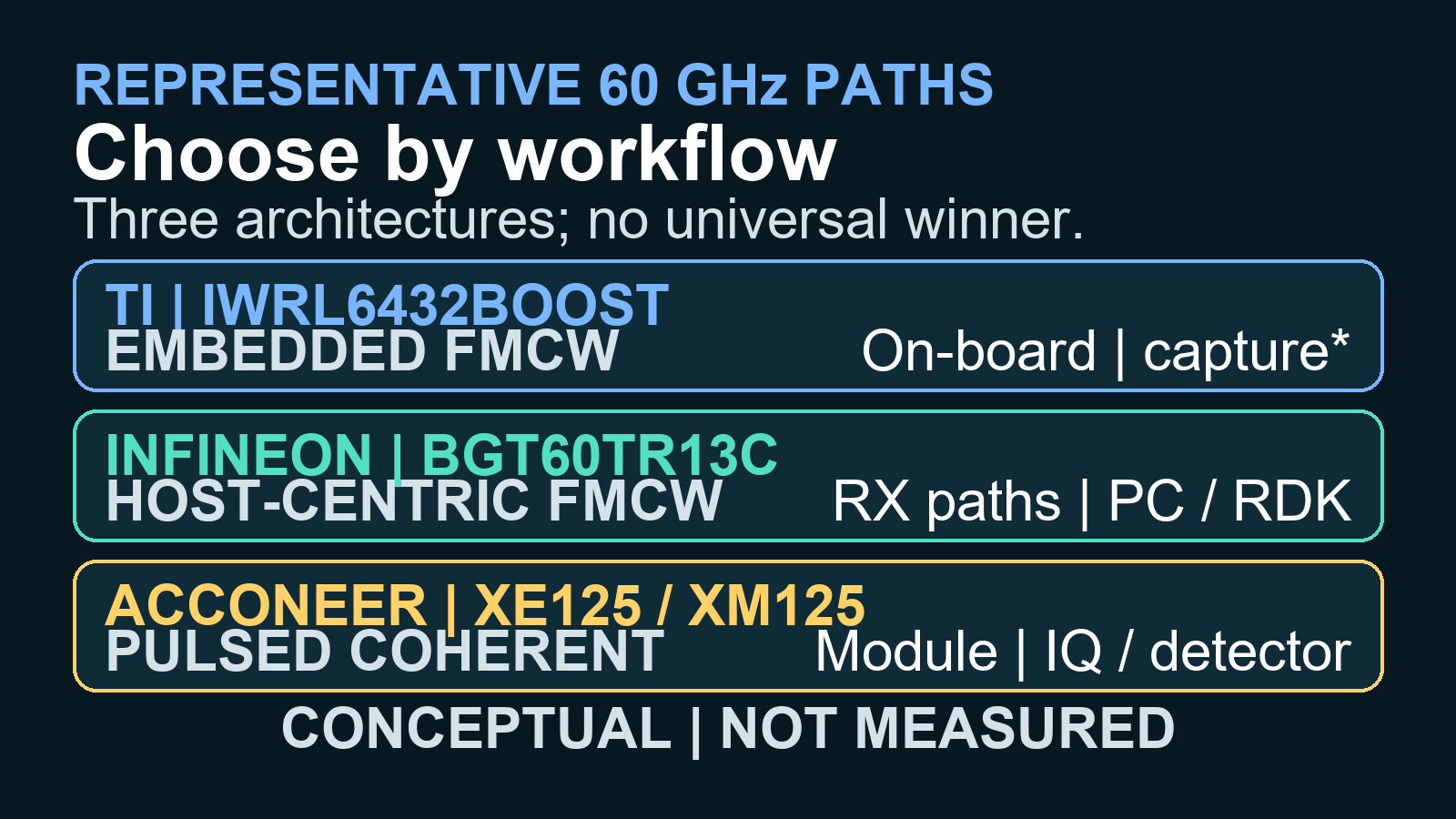
Representative 60 GHz Platforms: TI IWRL6432BOOST, Infineon DEMO BGT60TR13C, and Acconeer XE125/XM125
How do TI, Infineon and Acconeer compare for 60 GHz radar sensing? This guide examines sensing methods, bandwidth, antenna configurations, data access and development tools…
-

Can RF See People Through Walls? What RF-Pose Actually Demonstrated
How can radio reflections reveal a person’s pose behind a wall? This RF-Pose breakdown explains the learning method, evaluation evidence, signal limitations and questions researchers…
Research guidance you can trust
ArthaVedya turns dense technical material into structured explanations while preserving assumptions, limitations, and links to original sources.
Source-grounded
Every guide links to original literature and clearly separates reported findings from ArthaVedya’s interpretation.
Clear without oversimplifying
Mathematics, methods, and engineering trade-offs are unpacked step by step without removing the technical substance.
Practical by design
Where possible, theory is connected to reproducible workflows, simulations, measurements, and implementation choices.